Process
- Automated orbital GTAW on stainless steel tube
- Ultra-high-purity gas service
- Tube ends faced square before fit-up, with BRS facing tools
Orbital welding
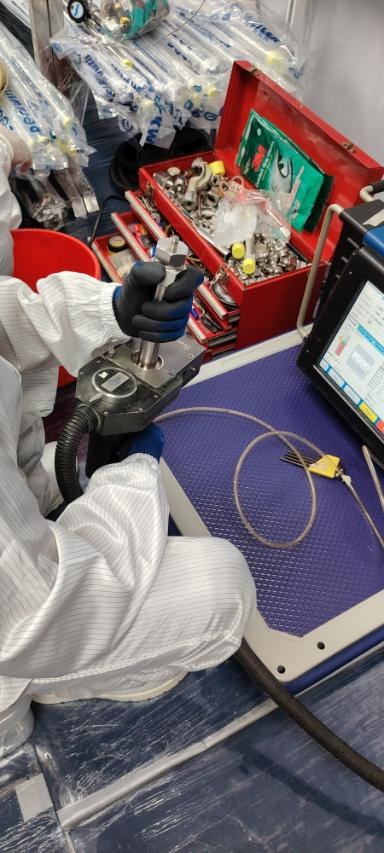
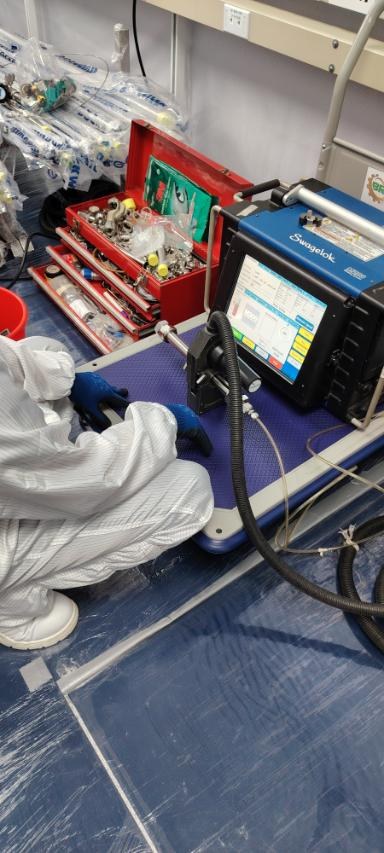
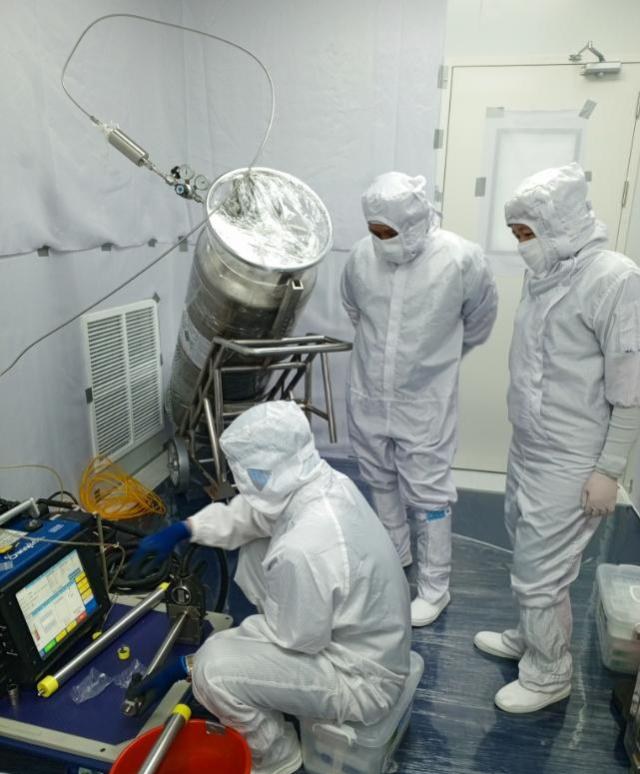
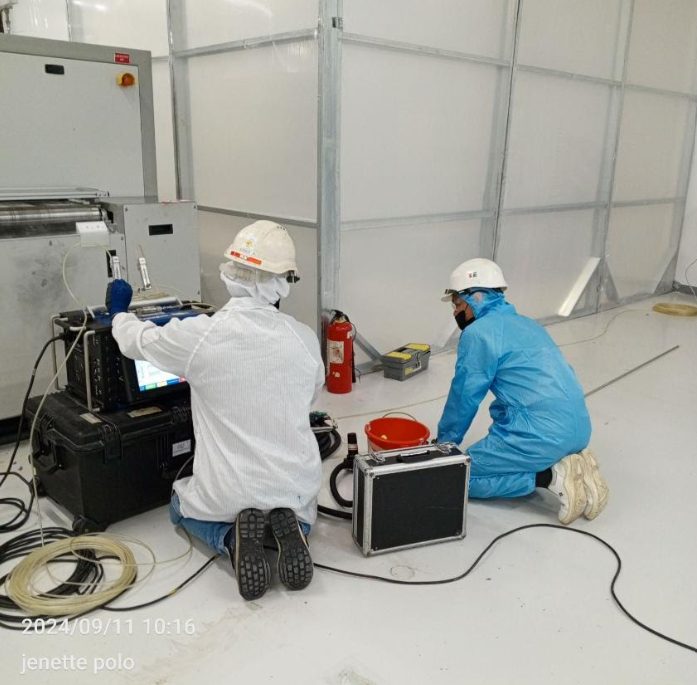
Automated orbital GTAW on stainless tube for ultra-high-purity gas systems. Each fitting a weld replaces is a part you do not buy, a joint you do not make up, and a leak path you do not have to test.
The cost case
Procurement asks about quality. The stronger argument is cost, and it is the one we lead with.
A high-purity gas system is mostly connections. Built with NPT and compression fittings, every one of them is a purchased part, a make-up operation, a leak test, and a point that can loosen over the life of the line. Multiply that across a distribution system and it is the fittings, not the tube, that drive the installed cost.
An orbital weld replaces the fitting with a joint that is made once, inspected once, and then behaves like the tube on either side of it. We weld the runs and keep mechanical fittings for the points that have to come apart: instruments, equipment connections, and isolation for maintenance.
Fewer mechanical joints means fewer leak paths. Fewer leak paths means a shorter test programme, a shorter punchlist, and a system that stays tight after handover.
How we weld
The four things a project engineer asks for before the first weld, in the order they usually ask.
Weld quality · Before production welds run
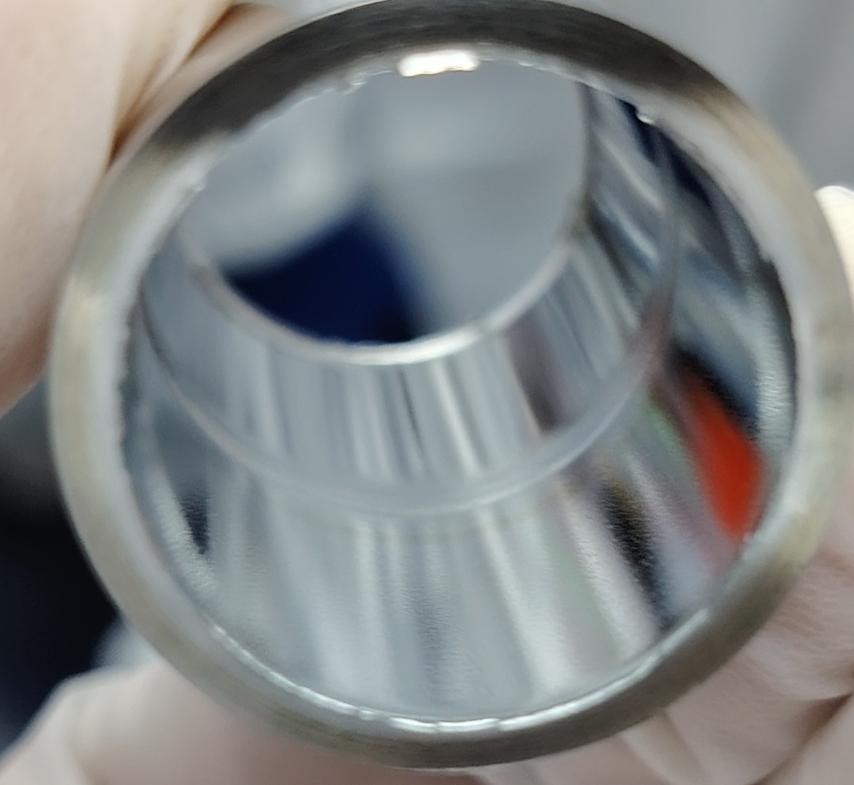
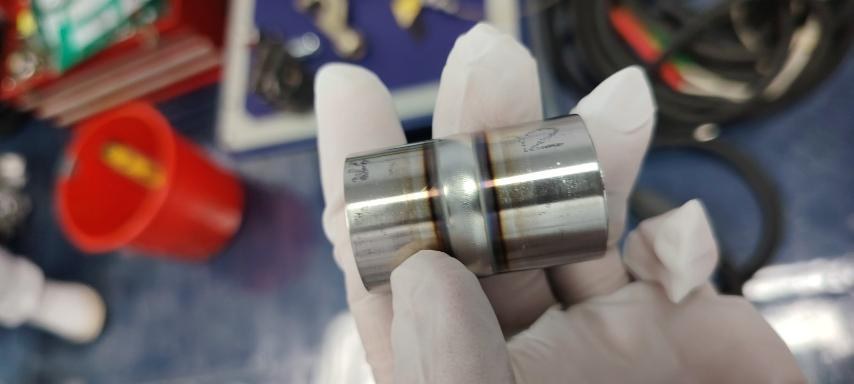
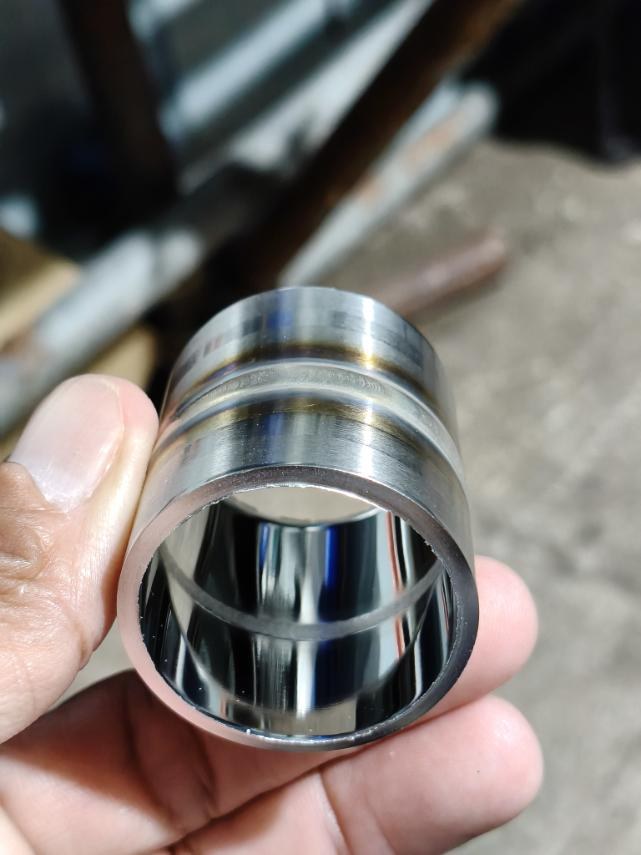
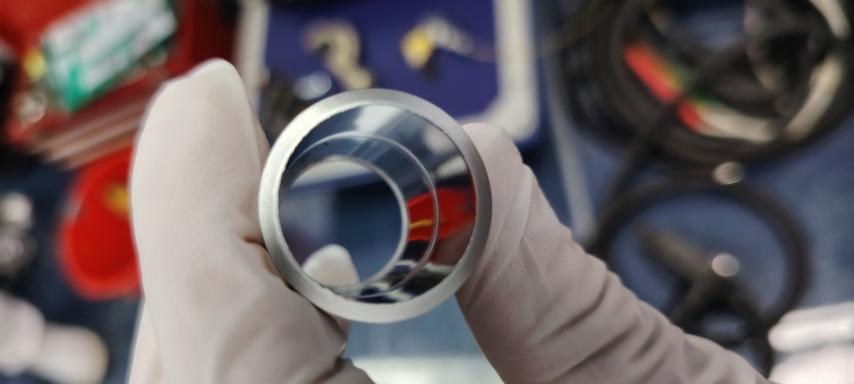
We cut the setup weld open so both surfaces can be inspected: the penetration bead on the bore, plus the exterior seam and heat tint. If either is not right, the setup is corrected before a production weld is made.
What we weld
The runs are welded. Mechanical fittings stay where the system has to come apart.
Tube sizes, material specification, NDT coverage, contracting mode and target dates. We acknowledge every RFQ the same business day.